

Embark on a journey through innovative office fit out designs tailored for small spaces. Discover how creative layouts can maximize square footage, incorporate smart storage solutions, and optimize ergonomic furniture to enhance productivity and functionality in compact work environments.
Creative Layouts for Small Office Spaces
When designing layouts for small office spaces, it is crucial to be creative in maximizing every square footage available. Innovative designs can help create a functional and efficient workspace that enhances productivity.
Innovative Layout Designs
One creative layout design for small office spaces is the open-concept layout, which eliminates unnecessary walls and partitions to create a more spacious feel. This layout promotes collaboration and communication among team members while maximizing the use of space.
Another innovative design is the use of multifunctional furniture, such as desks with built-in storage compartments or foldable tables that can be easily tucked away when not in use. These space-saving solutions help declutter the office and make the most of limited square footage.
Creative Storage Solutions
- Utilize vertical space with wall-mounted shelves or cabinets to store office supplies and documents without taking up valuable floor space.
- Invest in modular storage units that can be customized to fit specific needs and easily rearranged as the office layout evolves.
Importance of Ergonomic Furniture
Ergonomic furniture plays a vital role in optimizing small office layouts by promoting employee comfort and well-being. Adjustable desks and chairs can help reduce strain and fatigue, leading to increased productivity and focus. Investing in ergonomic furniture is essential for creating a healthy and efficient work environment in small office spaces.
Utilizing Vertical Space Efficiently
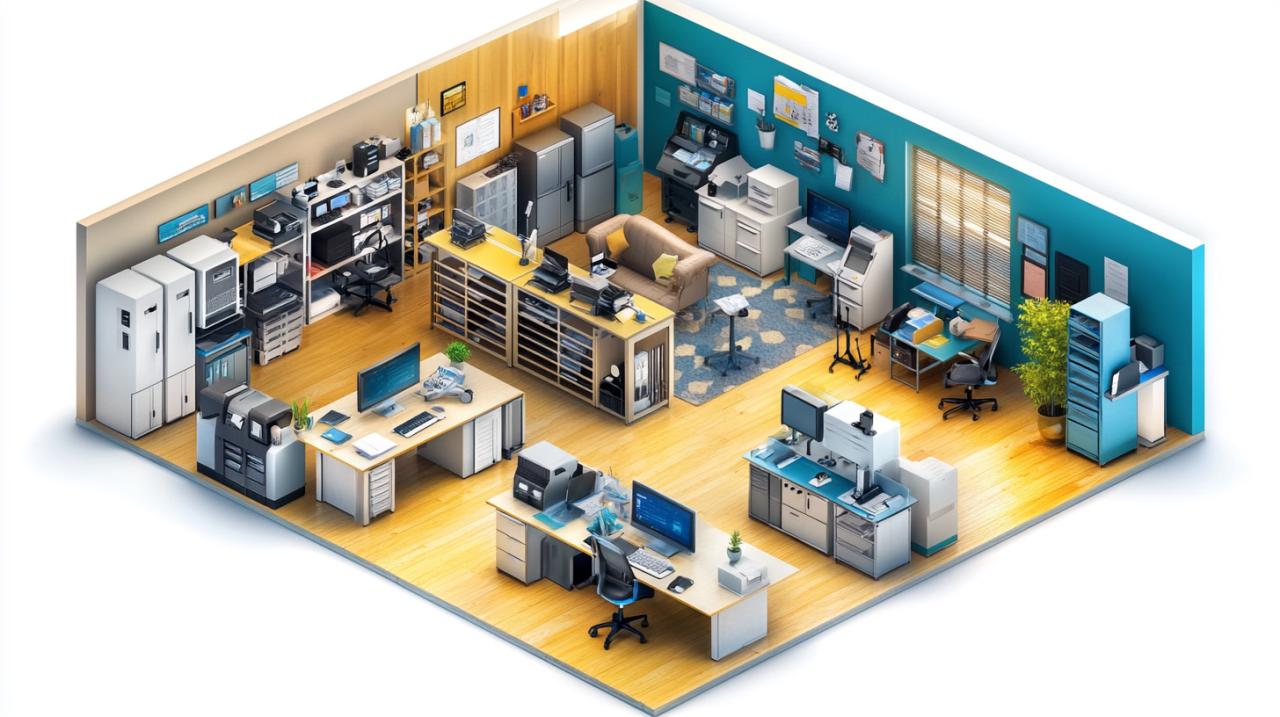
When dealing with small office spaces, maximizing the use of vertical space is essential to create a functional and efficient workspace. By utilizing the vertical dimension effectively, you can significantly increase storage capacity and create a more organized environment.
Incorporating Shelves and Cabinets
Adding shelves and cabinets is a great way to make the most of vertical space in a small office. Wall-mounted shelves can store books, files, and office supplies without taking up valuable floor space. Cabinets can be installed above desks or workstations to keep clutter out of sight and create a streamlined look.
- Install floating shelves above desks for easy access to frequently used items.
- Use tall bookshelves to store documents, folders, and other essential materials.
- Consider vertical filing cabinets to save floor space while organizing paperwork efficiently.
Utilizing Hanging Storage Solutions
Hanging storage solutions such as pegboards, hooks, and wall organizers can help maximize vertical space by utilizing wall space effectively. These options provide a place to hang office supplies, tools, or personal items, keeping them within reach without cluttering the desk or floor.
- Install a pegboard near the desk to hang frequently used items like scissors, tape, or notes.
- Use hooks on the walls to hang coats, bags, or other items to free up floor space.
- Consider wall-mounted organizers for pens, pencils, and other small office supplies.
Impact of Natural Light and Window Placement
Natural light can play a crucial role in maximizing vertical space in a small office. Proper window placement can help illuminate the room and create a sense of openness, making the space feel larger. By strategically positioning desks and workstations near windows, you can take advantage of natural light while optimizing the use of vertical space.
- Position desks perpendicular to windows to allow natural light to reach deeper into the space.
- Avoid blocking windows with furniture to maintain a bright and airy atmosphere.
- Consider using sheer curtains or blinds to control the amount of light entering the office without compromising the view or the sense of space.
Multi-Functional Furniture and Flexible Workstations
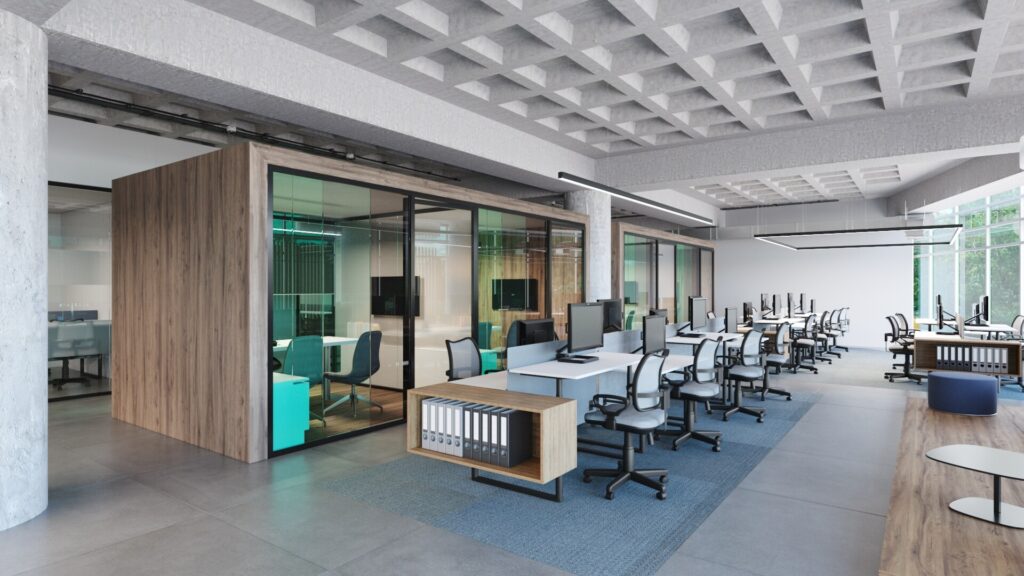 Using multi-functional furniture in small office fit-outs can offer numerous benefits. Not only does it help maximize space by serving multiple purposes, but it also promotes flexibility and adaptability in the workspace. Additionally, multi-functional furniture can contribute to a more efficient and organized work environment.One example of flexible workstations that can adapt to different tasks is a height-adjustable desk. This type of workstation allows employees to easily switch between sitting and standing positions, promoting better ergonomics and reducing the negative effects of prolonged sitting. Another example is a mobile desk with wheels, which can be easily moved around to create collaborative work areas or individual workspaces as needed.Movable partitions or screens are another essential element in creating versatile work areas in small spaces. These partitions can be used to divide the space into separate zones for different functions, such as meeting areas, quiet zones, or collaborative spaces. By using movable partitions, employees can customize their workspace according to their needs and preferences, promoting productivity and creativity in a limited space.
Technology Integration for Small Office Layouts
In a small office space, integrating technology seamlessly is crucial for maximizing productivity and efficiency. It is essential to carefully plan the layout to ensure that technology tools and devices are easily accessible and properly organized.Importance of Cable Management and Hidden Outlets
Effective cable management is key to maintaining a clean and organized workspace in a small office. Utilizing cable trays, clips, and cable sleeves can help keep cords out of sight and prevent tangling. Hidden outlets or power strips mounted under desks or within furniture can also help maintain a clutter-free environment.Optimizing IT Infrastructure in Limited Space
When space is limited, it is important to optimize the IT infrastructure to ensure functionality without sacrificing valuable square footage. Consider using vertical space for server racks or storage cabinets to free up floor space. Utilize cloud-based solutions for data storage and software applications to reduce the need for physical servers and equipment.Flexible Workstations for Technology Integration
Incorporating flexible workstations with adjustable height desks or movable partitions can accommodate different technology setups and work styles. This allows employees to customize their workspace based on their technological needs and preferences. Additionally, investing in ergonomic furniture can enhance comfort and productivity while using technology throughout the workday.Closing Notes
In conclusion, by implementing these creative ideas and strategies, small office spaces can be transformed into dynamic, efficient work areas that inspire creativity and collaboration. Embrace the possibilities of maximizing square footage in your office fit out for a more productive and enjoyable workspace.
Query Resolution
How can I maximize square footage in a small office space?
To maximize square footage, consider utilizing vertical space effectively, using multi-functional furniture, and integrating technology seamlessly into your office layout.
What are some examples of flexible workstations for small office fit-outs?
Flexible workstations can include adjustable desks, modular furniture, and portable partitions that allow for easy reconfiguration based on the tasks at hand.
Why is natural light important in small office design?
Natural light not only enhances the aesthetics of a space but also contributes to a healthier and more productive work environment by reducing eye strain and boosting mood and energy levels.

