

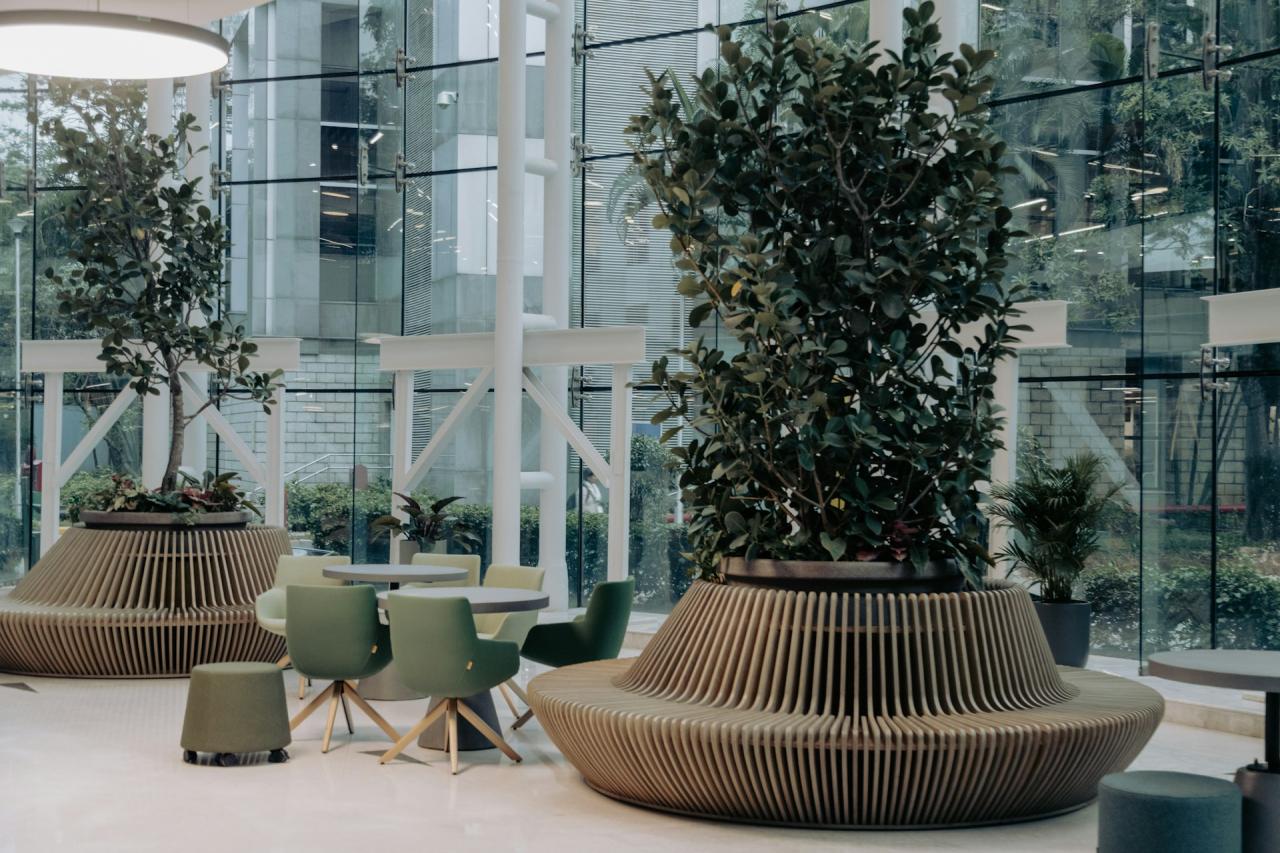
Exploring the world of Sustainable Office Fit Outs: Using Recycled Materials to Meet ESG Goals, this introduction sets the stage for an informative and engaging discussion that delves into the significance of incorporating recycled materials in office design.
The following paragraph will provide a comprehensive overview of the topic, highlighting key points and examples to captivate the audience.
Introduction to Sustainable Office Fit Outs
Sustainable office fit outs involve designing and furnishing office spaces in an environmentally friendly and socially responsible manner. This approach focuses on reducing the environmental impact of office renovations and creating healthier work environments for employees.
Using recycled materials in office fit outs is crucial for minimizing waste, conserving natural resources, and reducing carbon emissions. By incorporating recycled materials, companies can contribute to a circular economy and support sustainability initiatives.
Examples of Popular Recycled Materials Used in Sustainable Office Fit Outs
- Reclaimed wood: Salvaged from old buildings or furniture, reclaimed wood adds a rustic and unique touch to office spaces while reducing the demand for new timber.
- Recycled plastic: Repurposed plastic materials, such as PET bottles or plastic packaging, can be transformed into furniture, flooring, or decorative elements in office fit outs.
- Upcycled metal: Old metal fixtures, pipes, or machinery can be upcycled into stylish and durable office furniture, lighting fixtures, or wall decorations.
- Recycled glass: Crushed glass can be used to create decorative tiles, countertops, or partitions, adding a sleek and modern look to sustainable office designs.
- Recycled textiles: Fabrics made from recycled fibers or post-consumer textiles can be used for upholstery, curtains, or acoustic panels in eco-friendly office spaces.
Environmental, Social, and Governance (ESG) Goals in Office Fit Outs
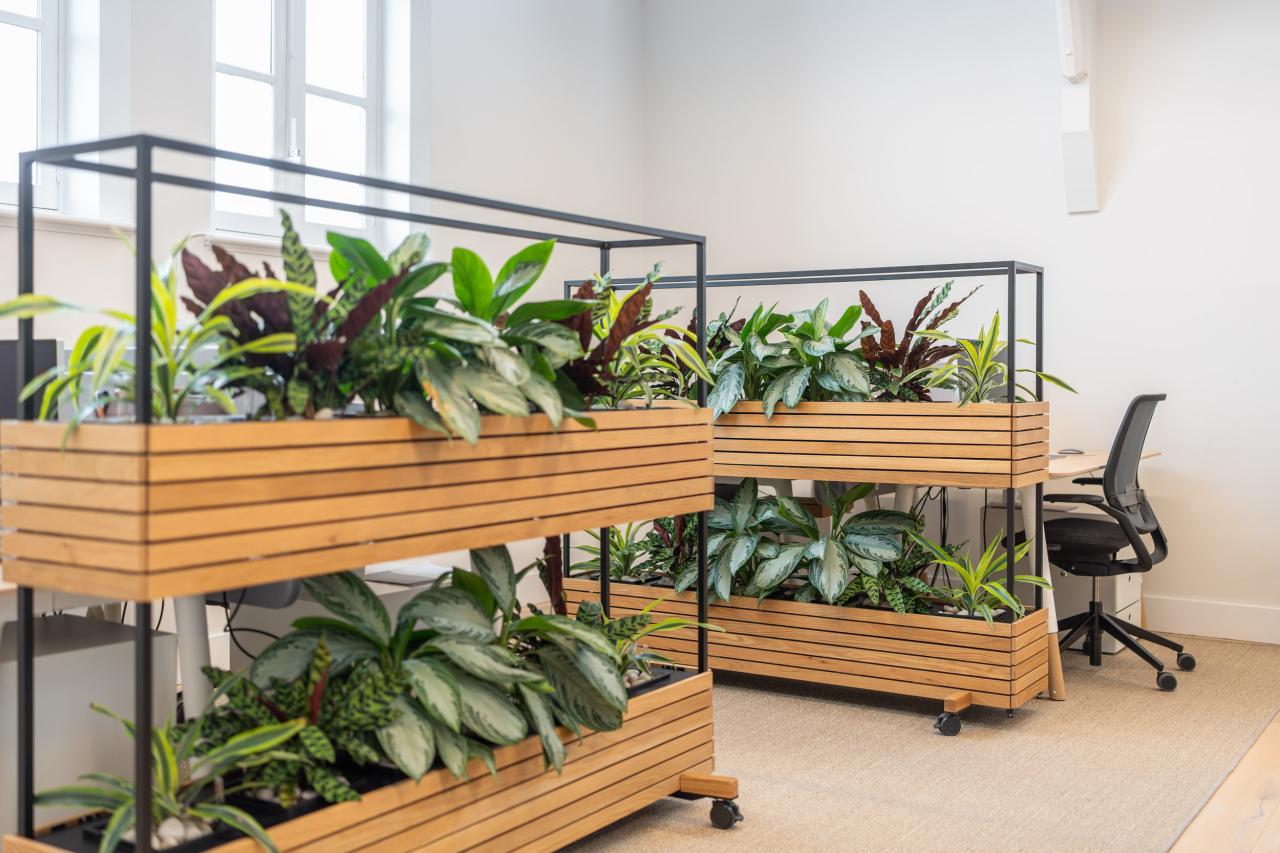
ESG goals play a crucial role in shaping the sustainability and overall impact of office fit outs. These goals encompass environmental factors, social responsibility, and governance practices that guide organizations towards more sustainable practices.
Benefits of Aligning Office Fit Outs with ESG Goals
When office fit outs are aligned with ESG goals, organizations can reap several benefits:
- Reduced environmental footprint: By using recycled materials and energy-efficient designs, companies can lower their carbon emissions and waste production.
- Enhanced social impact: Incorporating ESG goals promotes employee well-being, diversity, and community engagement, fostering a positive social environment within the workplace.
- Improved corporate governance: Adhering to ESG standards ensures transparency, accountability, and ethical practices, which can enhance the overall reputation and trustworthiness of the organization.
Key Factors to Consider when Incorporating ESG Goals into Office Fit Outs
When integrating ESG goals into office fit outs, several key factors should be taken into account:
- Material selection: Opt for sustainable and recycled materials to minimize environmental impact and promote resource efficiency.
- Energy efficiency: Implement energy-saving technologies and designs to reduce energy consumption and lower operational costs.
- Indoor air quality: Prioritize air quality through proper ventilation systems, non-toxic materials, and green cleaning practices to ensure a healthy work environment.
- Employee well-being: Consider ergonomic furniture, access to natural light, and green spaces to enhance employee productivity, satisfaction, and overall well-being.
Using Recycled Materials in Office Fit Outs
When it comes to sustainable office fit outs, using recycled materials is a key strategy to reduce environmental impact and promote a circular economy. By incorporating recycled materials into office design, companies can not only meet their ESG goals but also showcase their commitment to sustainability.
Types of Recycled Materials for Office Fit Outs
- Recycled Glass: Glass can be recycled and repurposed into countertops, partitions, or even decorative elements in office spaces.
- Recycled Plastic: Plastic waste can be transformed into furniture, wall panels, or flooring, offering a durable and eco-friendly alternative to traditional materials.
- Reclaimed Wood: Salvaged wood from old buildings or pallets can be used for flooring, desks, shelves, and other office furniture, adding a rustic and unique touch to the workspace.
- Recycled Metal: Scrap metal can be melted down and reshaped into light fixtures, hardware, or structural elements, contributing to a modern and industrial aesthetic.
Advantages of Using Recycled Materials
There are several advantages to using recycled materials in office fit outs:
- Environmental Impact: Using recycled materials reduces the demand for virgin resources, conserves energy, and minimizes waste sent to landfills, lowering the carbon footprint of the office fit out.
- Cost-Effective: Recycled materials are often more affordable than new materials, providing cost savings for companies while still maintaining quality and performance.
- Unique Aesthetics: Recycled materials add character and individuality to office spaces, creating a distinct and memorable environment for employees and visitors.
- Brand Image: Demonstrating a commitment to sustainability through the use of recycled materials can enhance a company's reputation and attract environmentally conscious clients and partners.
Innovative Ways to Incorporate Recycled Materials
Integrating recycled materials into office fit outs requires creativity and thoughtful design. Here are some innovative ways to incorporate recycled materials while maintaining aesthetics and functionality:
- Upcycled Furniture: Repurpose old furniture or materials into new pieces through creative design and craftsmanship, giving them a second life in the office.
- Customized Art Installations: Use recycled materials to create unique art installations or sculptures that serve as focal points in the office space, sparking creativity and conversation.
- Modular Design: Opt for modular furniture and fixtures made from recycled materials that can be easily reconfigured or expanded to adapt to changing office layouts and needs.
- Collaborate with Local Artists: Partner with local artists or artisans who specialize in using recycled materials to co-create custom pieces that reflect the company's values and support the community.
Impact of Sustainable Office Fit Outs on the Environment
Sustainable office fit outs have a significant positive impact on the environment by reducing waste, conserving resources, and minimizing carbon emissions.
Environmental Benefits of Sustainable Office Fit Outs
- Reduction in waste generation through the use of recycled materials
- Conservation of natural resources such as timber, water, and energy
- Decrease in greenhouse gas emissions from manufacturing and transportation
Carbon Footprint of Sustainable Office Fit Outs
Compared to non-sustainable fit outs, sustainable office fit outs using recycled materials have a significantly lower carbon footprint due to:
- Reduced energy consumption in production processes
- Less reliance on virgin materials, which require more energy to extract and process
- Lower emissions from transportation of materials due to sourcing locally
Long-Term Positive Effects on the Environment
Implementing sustainable practices in office fit outs leads to long-term positive effects on the environment, such as:
- Improved air and water quality
- Preservation of ecosystems and biodiversity
- Mitigation of climate change impacts through carbon sequestration
Closing Notes
Wrapping up our exploration, this concluding paragraph offers a concise summary of the key takeaways from our discussion on Sustainable Office Fit Outs, leaving readers with a lasting impression of the importance of sustainable practices in office environments.
Essential Questionnaire
What are some common recycled materials used in Sustainable Office Fit Outs?
Common recycled materials include reclaimed wood, recycled glass, and repurposed metal for office furniture and fixtures.
How do ESG goals influence the design of office fit outs?
ESG goals drive companies to focus on sustainability, social responsibility, and governance, impacting material choices and design strategies.
What are the long-term benefits of implementing Sustainable Office Fit Outs?
Long-term benefits include reduced environmental impact, cost savings through energy efficiency, and improved employee well-being.

