

Embarking on the journey of Smart Office Fit Outs: Incorporating IoT and Automated Lighting Systems, readers are invited into a world where technology seamlessly integrates with workspace design, revolutionizing the way we work.
The following paragraph delves into the intricacies of this innovative approach, shedding light on the numerous benefits and practical applications within modern office settings.
Introduction to Smart Office Fit Outs
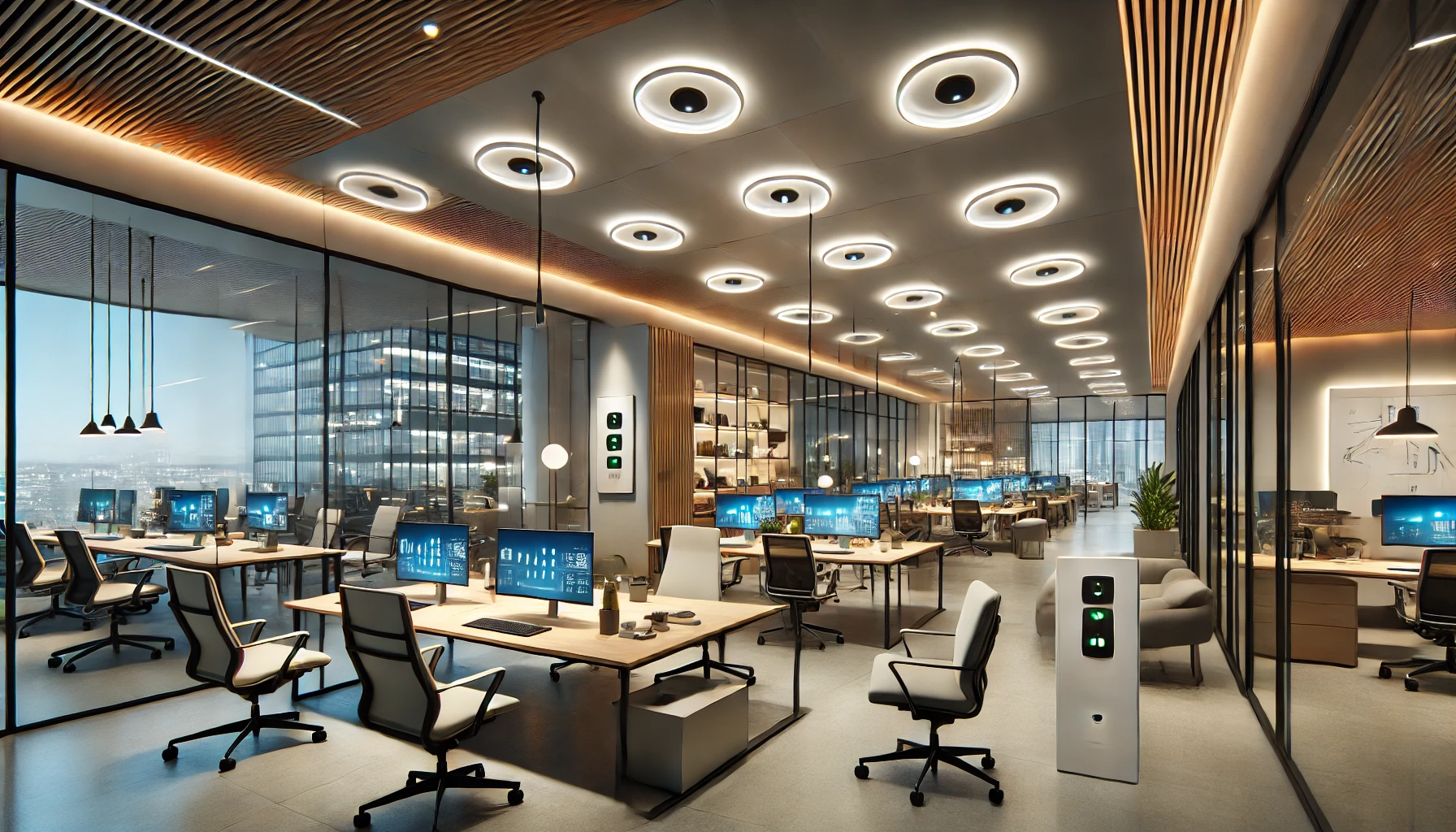
Smart office fit outs refer to the integration of technology and automation into office spaces to enhance efficiency, productivity, and comfort for employees. This includes incorporating Internet of Things (IoT) devices and automated lighting systems to create a connected and responsive work environment.
By incorporating IoT and automated lighting systems in office fit outs, businesses can experience a range of benefits. These include energy savings through intelligent lighting control, improved employee well-being and productivity with personalized lighting settings, enhanced security with IoT sensors, and streamlined operations through automated processes.
Companies Implementing Smart Office Fit Outs
- Google: Google's offices are known for their innovative use of technology, including IoT devices and smart lighting systems to create a dynamic and efficient workspace.
- Amazon: Amazon uses IoT sensors and automated lighting systems in their offices to optimize energy usage and create a comfortable work environment for employees.
- Microsoft: Microsoft has implemented smart office fit outs in their headquarters, utilizing IoT technology to enhance collaboration, productivity, and sustainability in the workplace.
IoT in Smart Office Fit Outs
IoT devices play a crucial role in enhancing productivity and efficiency in modern office environments. By connecting various devices and systems through the internet, IoT technology enables smart office fit outs to automate processes, collect valuable data, and streamline operations.Role of IoT Sensors in Creating a Smart Office Ecosystem
IoT sensors are essential components in creating a smart office ecosystem. These sensors are embedded in different devices and systems within the office space to collect and transmit data in real-time. By monitoring and analyzing this data, businesses can make informed decisions to optimize energy usage, improve space utilization, and enhance employee comfort and productivity.- Occupancy Sensors: These sensors detect the presence of individuals in a specific area and can be used to control lighting, HVAC systems, and security systems based on occupancy levels.
- Temperature and Humidity Sensors: By monitoring temperature and humidity levels in different areas of the office, these sensors help maintain a comfortable working environment for employees while also optimizing energy consumption.
- Environmental Sensors: These sensors measure air quality, noise levels, and other environmental factors to ensure a healthy and productive workspace for employees.
- Lighting Control Systems: IoT-enabled lighting systems adjust lighting levels based on natural light, occupancy, and employee preferences, maximizing energy efficiency and creating a comfortable work environment.
Automated Lighting Systems in Smart Offices
Automated lighting systems play a crucial role in enhancing the efficiency and sustainability of office spaces, offering numerous advantages over traditional lighting setups.
Advantages of Automated Lighting Systems
- Energy Efficiency: Automated lighting systems can adjust brightness levels based on natural light and occupancy, reducing energy consumption.
- Enhanced Comfort: These systems can create personalized lighting settings for employees, improving productivity and well-being.
- Cost Savings: By optimizing energy usage and reducing maintenance costs, businesses can save on utility bills and operational expenses.
Types of Automated Lighting Systems
- Occupancy Sensors: These systems detect movement and automatically turn lights on or off based on activity in a room.
- Daylight Harvesting: Utilizing natural light, sensors adjust artificial lighting levels to maintain a consistent brightness level throughout the day.
- Zonal Control: Allows for individual control of lighting in different areas or zones of an office space for tailored illumination.
Case Studies of Energy Savings
- Company A implemented automated lighting systems and saw a 20% reduction in energy usage within the first year, resulting in significant cost savings.
- Company B utilized occupancy sensors to optimize lighting in meeting rooms, leading to a 15% decrease in electricity consumption during non-peak hours.
- Company C integrated daylight harvesting technology, resulting in a 30% reduction in overall lighting costs and a more sustainable office environment.
Integration of IoT and Automated Lighting Systems
IoT technology can revolutionize the way automated lighting systems function in smart office fit-outs. By integrating IoT devices with automated lighting systems, businesses can achieve optimal efficiency and create a more comfortable and productive work environment for employees.Setting up IoT Devices with Automated Lighting Systems
- Choose IoT devices compatible with your automated lighting system to ensure seamless integration.
- Install IoT devices according to manufacturer instructions and connect them to the automated lighting system network.
- Configure the IoT devices using the respective apps or software to set schedules, adjust brightness levels, and monitor energy usage.
- Test the connectivity and functionality of the integrated system to ensure everything is working correctly.
Impact on Employee Satisfaction and Well-being
Integrating IoT devices with automated lighting systems can significantly impact employee satisfaction and well-being in the following ways:- Personalized Lighting: Employees can customize lighting settings based on their preferences, enhancing comfort and reducing eye strain.
- Energy Efficiency: IoT sensors can adjust lighting levels based on occupancy, saving energy and reducing costs for the organization.
- Circadian Rhythm Support: Automated lighting systems can mimic natural light patterns to promote better sleep quality and enhance productivity.
- Remote Access: Employees can control lighting settings remotely, allowing for flexibility and convenience in their work environment.
Conclusive Thoughts
In conclusion, the fusion of IoT and Automated Lighting Systems in smart office fit outs not only enhances operational efficiency but also creates a dynamic and sustainable work environment that prioritizes employee well-being and productivity.
Answers to Common Questions
What are the key components of a Smart Office Fit Out?
A Smart Office Fit Out typically includes IoT devices, automated lighting systems, smart sensors, and integrated technology for optimal workspace functionality.
How can IoT devices improve productivity in office environments?
IoT devices can streamline processes, automate routine tasks, provide real-time data insights, and enhance communication among employees, ultimately boosting overall productivity levels.
What types of automated lighting systems are commonly used in smart offices?
Common types of automated lighting systems include motion-sensor lights, daylight harvesting systems, and color-changing LED lights that adjust based on natural light levels.
