

Kicking off with Why Leading Office Fit Out Companies are Prioritizing Biophilic Design, this opening paragraph is designed to captivate and engage the readers, setting the tone casual formal language style that unfolds with each word.
The content of the second paragraph that provides descriptive and clear information about the topic
Importance of Biophilic Design in Office Fit Outs
Biophilic design in office fit outs refers to the incorporation of natural elements such as plants, natural light, and views of nature into the workspace to create a more sustainable and harmonious environment for employees. This design approach aims to connect individuals with nature, promoting well-being, productivity, and overall satisfaction in the workplace.Benefits of Biophilic Design in Office Fit Outs
- Improved Air Quality: Plants can help purify the air by absorbing toxins and releasing oxygen, creating a healthier indoor environment for employees.
- Stress Reduction: Exposure to nature has been shown to reduce stress levels and increase feelings of calmness and relaxation, leading to improved mental health among employees.
- Enhanced Productivity: Biophilic elements can boost cognitive function, creativity, and focus, ultimately leading to increased productivity and efficiency in the workplace.
- Increased Connection to Nature: By bringing the outdoors inside, biophilic design allows employees to feel more connected to nature, even while working indoors, which can have a positive impact on mood and motivation.
Examples of Biophilic Design Enhancing Employee Well-being and Productivity
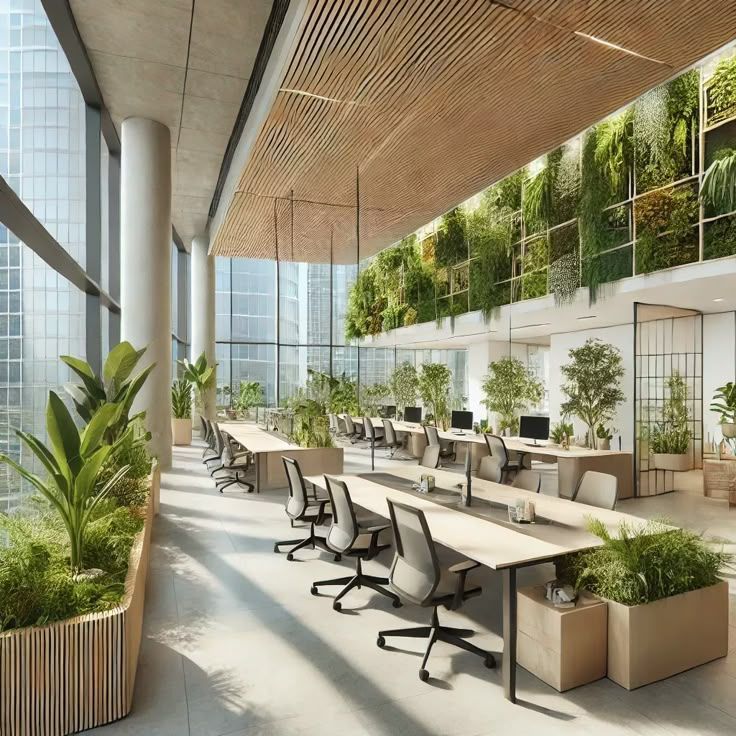
- Green Walls: Installing living walls filled with plants can improve air quality, reduce noise levels, and create a visually appealing workspace that promotes relaxation and concentration.
- Natural Light: Maximizing natural light through large windows or skylights can increase energy levels, regulate circadian rhythms, and reduce the need for artificial lighting, benefiting both the environment and employee well-being.
- Nature Views: Providing views of natural landscapes or green spaces from workstations can help reduce stress, improve mood, and enhance creativity, creating a more inspiring and rejuvenating work environment.
Trends in Biophilic Office Fit Out Designs
Biophilic office fit out designs have been gaining popularity in recent years as businesses prioritize creating healthier and more productive work environments. Let's explore some of the current trends in biophilic design and how leading office fit out companies are incorporating these elements into their projects.Integration of Natural Elements
One of the most popular trends in biophilic office fit out designs is the integration of natural elements such as plants, natural light, water features, and natural materials like wood and stone. These elements help create a connection to nature and improve overall well-being and productivity in the workplace.Maximizing Green Spaces
Leading office fit out companies are maximizing green spaces within office environments by incorporating living walls, indoor gardens, and green roofs. These green spaces not only improve air quality but also provide employees with a sense of tranquility and relaxation amidst their busy workdays.Biophilic Lighting Design
Another trend in biophilic office fit out designs is the use of biophilic lighting design, which mimics natural light patterns to regulate circadian rhythms and enhance mood and productivity. This includes the use of daylight-mimicking LED lights and dynamic lighting systems that adjust throughout the day.Connection to Outdoor Spaces
Modern workplaces are incorporating elements that blur the lines between indoor and outdoor spaces, such as outdoor terraces, rooftop gardens, and large windows that offer views of nature. This connection to outdoor spaces helps reduce stress, improve focus, and increase creativity among employees.Sustainable and Eco-Friendly Practices
In line with the growing focus on sustainability, office fit out companies are implementing eco-friendly practices in their biophilic designs. This includes the use of recycled materials, energy-efficient systems, and water-saving technologies to create environmentally responsible workspaces.Sustainability and Biophilic Design Integration
Biophilic design goes hand in hand with sustainability when it comes to office fit outs. By incorporating elements of nature into the workspace, companies can not only create a more visually appealing environment but also contribute to a greener and more eco-friendly office setting.Examples of Sustainable Practices in Biophilic Design
- Utilizing natural light to reduce the need for artificial lighting, thus saving energy and reducing electricity consumption.
- Integrating green walls or vertical gardens to improve indoor air quality, reduce carbon dioxide levels, and promote biodiversity within the office space.
- Choosing sustainable materials like reclaimed wood, bamboo, or recycled materials for furniture and finishes to minimize environmental impact.
- Implementing efficient HVAC systems and ventilation strategies to enhance indoor air quality and reduce energy consumption.
Environmental Impact of Prioritizing Biophilic Elements
By prioritizing biophilic elements in office fit outs, companies can reduce their carbon footprint, improve employee well-being and productivity, and contribute to a healthier planet overall.
Case Studies of Successful Biophilic Office Fit Out Projects
Biophilic design has gained significant traction in the realm of office fit outs, with several renowned projects showcasing the successful integration of natural elements into workspaces. These case studies highlight the positive impact of biophilic design on both the aesthetics and functionality of office environments.
Google Headquarters, Singapore
The Google Headquarters in Singapore is a prime example of a biophilic office fit out that seamlessly integrates nature into the workspace. The office features lush green walls, indoor gardens, and natural lighting, creating a vibrant and refreshing atmosphere for employees. The incorporation of biophilic elements has been linked to increased productivity, creativity, and overall well-being of the staff.
Amazon Spheres, Seattle
Another notable case study is the Amazon Spheres in Seattle, which serves as a unique biophilic workspace for employees. The spherical glass domes house a variety of plant species, creating a mini indoor rainforest within the office. This biophilic design not only enhances the visual appeal of the space but also improves air quality and provides a calming environment for employees to work in.
Microsoft Headquarters, Redmond
The Microsoft Headquarters in Redmond is yet another successful example of biophilic office design. The office complex features extensive use of natural wood, living green walls, and outdoor workspaces, promoting a connection to nature in the workplace. The incorporation of biophilic elements has been shown to reduce stress, improve cognitive function, and enhance overall employee satisfaction.
Ending Remarks
The content of the concluding paragraph that provides a summary and last thoughts in an engaging manner
FAQ
What is biophilic design?
Biophilic design integrates nature and natural elements into the built environment to create a more harmonious and beneficial space for occupants.
How does biophilic design enhance employee well-being?
Biophilic elements like natural light, greenery, and natural materials have been shown to reduce stress, improve mood, and boost productivity among employees.
What are some popular biophilic elements used by leading office fit out companies?
Popular biophilic elements include living green walls, natural wood accents, indoor plants, and large windows for ample natural light.
How can companies integrate sustainability into biophilic design concepts?
Companies can incorporate sustainable practices like using recycled materials, energy-efficient lighting, and water-saving fixtures alongside biophilic design elements.
What are the key takeaways from successful biophilic office fit out projects?
Successful projects highlight the importance of creating a connection to nature within the workspace, fostering employee well-being, and enhancing overall aesthetics and functionality.

